Health and Safety Policy for Landscaping Docklands
 Landscaping Docklands requires a clear and practical health and safety policy to protect workers, clients, visitors, and the wider public. Our approach is built on prevention, careful planning, and responsible working practices. Every task, from routine garden care to more complex outdoor improvements, must be carried out with safety in mind. We believe that a well-managed site is one where hazards are identified early, controls are followed, and everyone understands their role in reducing risk.
Purpose and Commitment
The purpose of this policy is to set out the standards expected across all landscaping activities. It applies to all employees, contractors, and subcontractors involved in landscaping work in Docklands and similar urban environments. Our commitment is to provide a safe workplace, maintain suitable equipment, and support a culture where safety is part of everyday work rather than an afterthought. This includes using appropriate protective measures, supervising work properly, and reviewing procedures when conditions change.
Shared Responsibility
 Health and safety is a shared responsibility. Management must provide suitable resources, training, and oversight, while workers must follow instructions, use equipment correctly, and report concerns immediately. Every person on site should feel accountable for preventing accidents and unsafe behaviour. We encourage open communication so that hazards can be addressed before they lead to injury or damage. Everyone has the right to work in a safe environment, and everyone has a duty to support that goal.
Key Hazards in Landscaping Work
Landscaping services can involve a wide range of hazards, including manual handling, slips and trips, cutting tools, powered machinery, exposure to noise, weather-related risks, and contact with soil, plants, or chemicals. In some cases, work may also involve lifting heavy materials, operating on uneven ground, or working near roads, buildings, or water features. Each task must be assessed in advance so that suitable precautions can be taken. This is especially important when working in busy commercial areas where public access must be controlled carefully.
Risk Assessment and Planning
 Before work begins, a suitable risk assessment must be completed for the site and the activity. Planning should consider the type of landscape work being carried out, the condition of the ground, the weather, the presence of overhead or underground services, and the movement of vehicles or pedestrians. Where needed, the work area should be marked, barriers should be used, and access should be restricted. Safe planning helps ensure that landscaping Docklands projects are delivered efficiently without compromising wellbeing.
Safe Working Practices
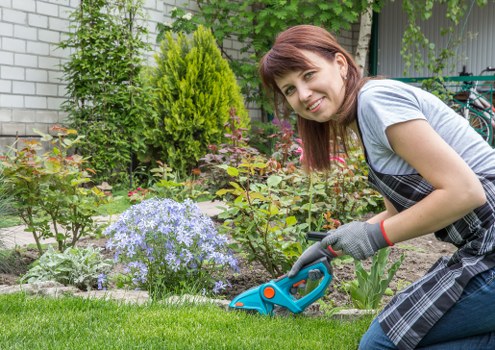
Safe working practices are essential across all stages of a project. Tools and machinery must be inspected before use, maintained regularly, and operated only by competent individuals. Protective equipment should be selected according to the task and worn correctly. Suitable footwear, gloves, eye protection, hearing protection, and high-visibility clothing may be required depending on the work being performed. Workers should use correct lifting techniques, take regular breaks, and avoid rushing tasks that require concentration and precision.
Training, Supervision, and Communication
Training is a central part of this policy. All team members must receive instruction relevant to their duties, including manual handling, safe tool use, hazard awareness, and emergency procedures. Supervisors must ensure that new staff understand site expectations and that higher-risk tasks are monitored closely. Clear communication is also vital, especially when working in changing conditions or alongside other trades. Instructions should be easy to understand, and any safety concern should be reported without delay.
Control of Public and Environmental Risks
Because landscaping often takes place in shared spaces, protecting the public is just as important as protecting workers. Equipment should never be left in unsafe positions, and materials must be stored securely to prevent trips, falls, or unauthorised use. Dust, debris, and waste should be managed promptly to keep the site orderly. If chemicals, fuels, or other controlled substances are used, they must be handled in line with manufacturer instructions and stored to prevent leaks or contamination. Care should also be taken to avoid unnecessary disturbance to surrounding property and vegetation.
Emergency Response and Incident Reporting
 The business will maintain clear procedures for dealing with incidents, including injuries, equipment failures, fire, severe weather, and environmental spills. First aid supplies should be available, and at least one person on site should know how to respond appropriately in an emergency. All accidents, near misses, and unsafe conditions must be reported and recorded so that lessons can be learned. An effective reporting culture helps prevent repeated mistakes and supports continuous improvement across Docklands landscaping operations.
Monitoring, Review, and Continuous Improvement
 This policy will be reviewed regularly to ensure it remains effective and relevant. Reviews may be triggered by incidents, changes in work activities, new equipment, or updated risk information. Monitoring should include site inspections, equipment checks, and reviews of staff compliance with safety procedures. Where improvements are identified, they should be implemented promptly and communicated clearly. Our aim is to maintain a workplace where safety standards are consistent, practical, and fully integrated into day-to-day landscaping operations.
By following this policy, the organisation supports safe, reliable, and professional landscape maintenance and outdoor construction work. Safety protects people, improves quality, reduces disruption, and strengthens trust in the services provided. Every project should reflect our commitment to careful planning, responsible conduct, and a working environment where risk is properly controlled. Through vigilance and cooperation, landscaping work can be carried out to a high standard while safeguarding everyone involved.